
For some homeowners, there comes a point when their existing deck no longer supports how they want to use their outdoor living space. Maybe the materials are beginning to show age, maintenance has become frustrating, or the layout simply doesn’t work for the way the family lives today. In other cases, homeowners want a more comfortable, functional outdoor area that feels like a true extension of the home instead of an overlooked part of the backyard.
Upgrading a deck is about more than replacing old boards or refreshing the appearance. The right upgrade can completely improve how your outdoor space functions, how often it’s enjoyed, and how well it fits your lifestyle long-term. That’s why careful planning matters before any construction begins.
At 13TEN Renovations, we encourage homeowners to consider these five important points before starting a deck upgrade project.
Consider How You Actually Want to Use the Space
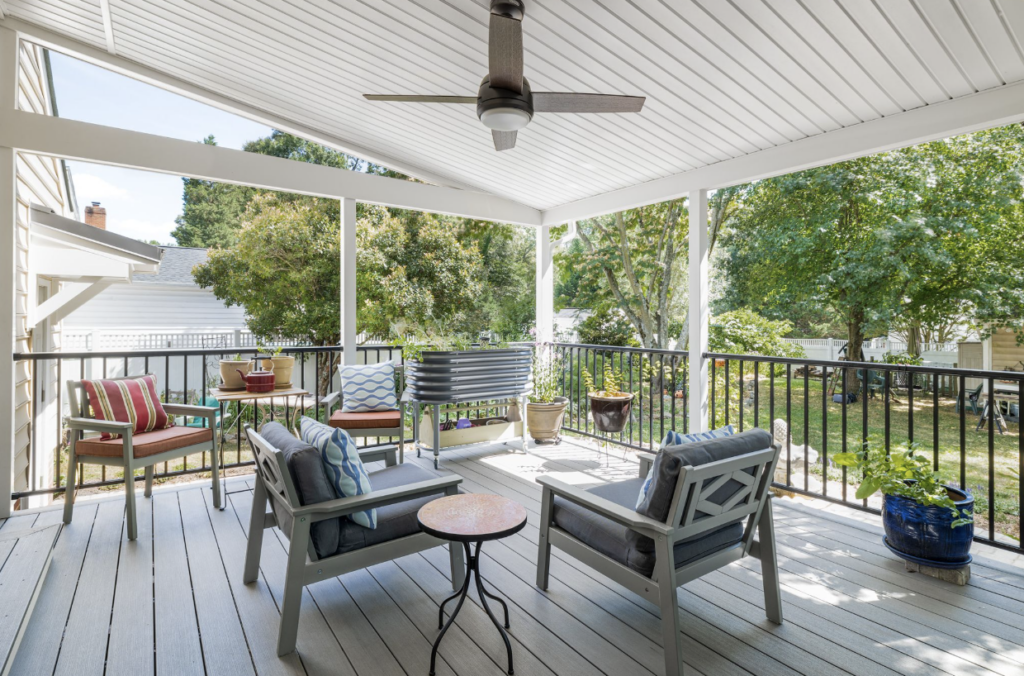
Before deciding on material upgrades or deck layout changes, it’s important to think about how you want the deck to function on a daily basis. The best outdoor spaces are designed around real lifestyle needs.
A deck can be a place to entertain guests and host outdoor dinners, a quiet retreat for relaxing evenings, a better grilling setup, or improved access between the home and backyard. In most cases, homeowners prefer their space to support several uses at once.
It’s also helpful to think about the furniture and features you’d like the deck to accommodate. Dining tables, lounge seating, outdoor sectionals, grills, and fire features all require thoughtful spacing and layout planning.
These goals directly influence important design decisions like:
- Overall deck size
- Traffic flow
- Stair placement
- Seating areas
- Transitions to the yard or patio
- Covered versus open spaces
When the layout is planned intentionally, the deck feels natural and easy to use. Instead of feeling separate from the home, it becomes a space that works better for your family.
Evaluate the Existing Structure
Not every deck is a good candidate for resurfacing or expansion. Before moving forward with an upgrade, it’s important to evaluate the existing structure’s condition to determine what’s realistically possible and what will provide the best long-term value. That’s where a professional deck builder comes in.
A professional evaluation should consider:
- Framing condition
- Footings and support posts
- Structural stability
- Water damage or rot
- Age of the deck
- Current building code compliance
An older deck, for example, could have been built under different code requirements than those used today. Even if the surface appears fine, underlying structural components might not meet modern safety standards. In some situations, rebuilding the deck entirely may be more cost-effective than continuing to repair an aging structure. A deck rebuild also creates more flexibility to improve the layout, expand the footprint, or incorporate upgraded features.
Homeowners might also explore converting an existing deck into a screened-in porch or three-season room. While these projects are possible, they can require additional structural support, foundation considerations, and careful planning to accommodate the added weight and enclosure systems.
Understanding the structure’s condition early in the process helps homeowners make informed decisions and avoid costly surprises later.
Think Beyond Appearance When Choosing Materials
Decking materials affect much more than the finished appearance of the project. The right material choice impacts maintenance requirements, durability, comfort, and long-term performance.
Some of the most common decking materials include:
Pressure-Treated Wood
Pressure-treated wood remains a common option because of its lower upfront cost. However, it typically requires ongoing staining, sealing, and maintenance to protect against moisture, warping, and deterioration over time.
Composite Decking
Composite decking offers a low-maintenance alternative while still providing a natural wood appearance. It resists fading, splintering, and insect damage better than traditional wood, making it a popular choice for homeowners who want long-term durability with less upkeep.
PVC Decking
PVC decking provides moisture resistance and durability, particularly in areas exposed to frequent humidity, rain, or direct sunlight. It’s lightweight, stain-resistant, and performs well in demanding outdoor conditions.
Choosing materials based solely on appearance can lead to frustration later if maintenance expectations don’t align with your lifestyle. The best material choice balances appearance, durability, maintenance, and how you realistically plan to use the space over the years.
Features That Improve Comfort and Functionality
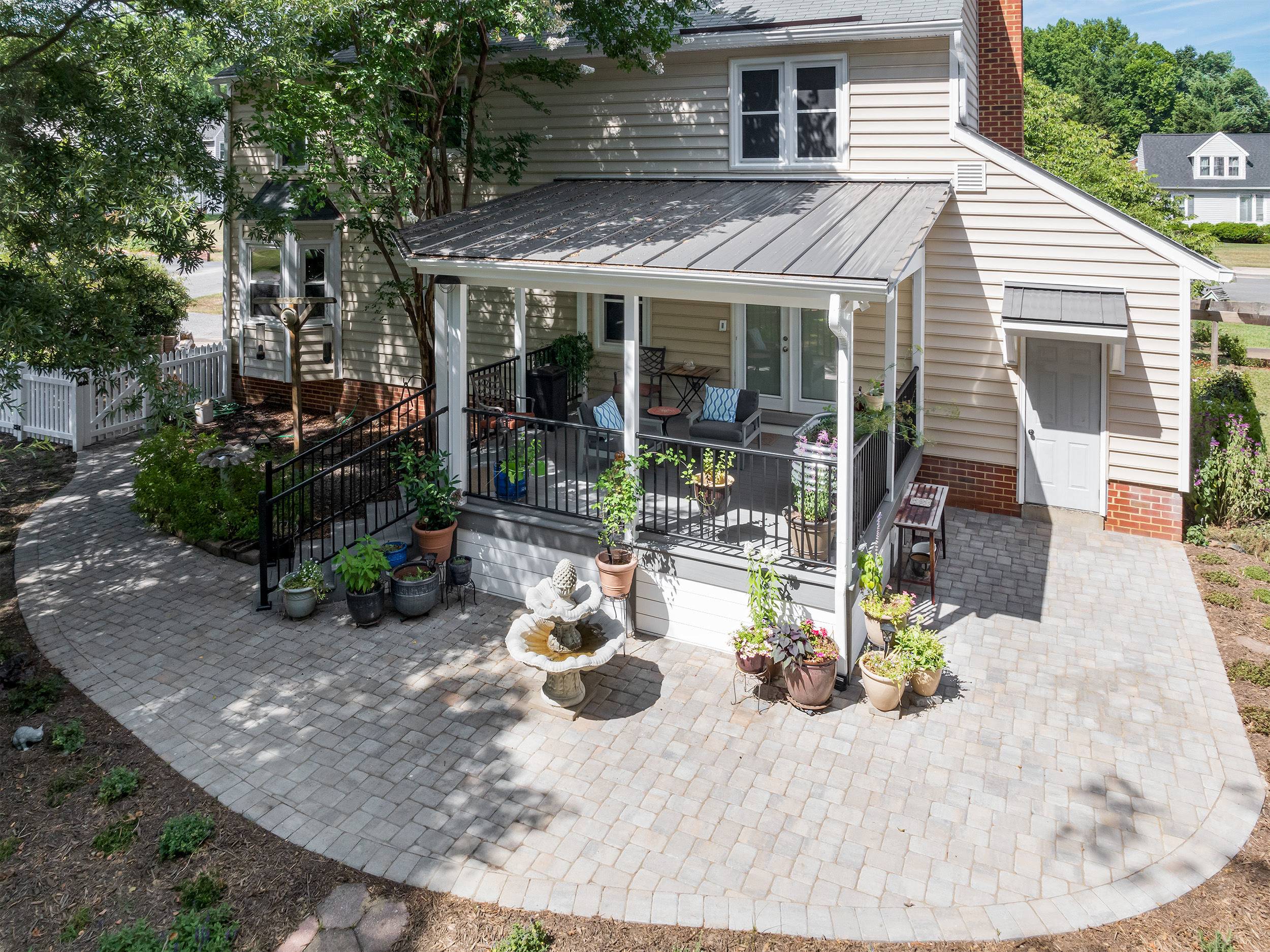
Many deck upgrades involve more than replacing decking boards. Thoughtful features can dramatically improve how comfortable, functional, and enjoyable the space feels throughout the year.
Some popular upgrade features include:
- Integrated deck lighting
- Upgraded deck railings
- Built-in seating
- Pergolas or covered areas
- Screened sections
- Under-deck drainage systems
These additions can improve the space’s overall usability in several ways. Lighting extends the deck’s functionality into the evening while improving safety and ambiance. Covered areas provide shade and weather protection during hot summers or rainy afternoons. Screened sections can help reduce insects and create a more comfortable outdoor environment.
Built-in seating and custom layouts also improve flow and maximize usable square footage without overcrowding the deck with furniture.
When features are planned intentionally from the beginning, homeowners often find themselves using the space more consistently throughout the year instead of limiting it to occasional gatherings.
Consider Long-Term Plans for the Space
A deck upgrade should support not only your current needs but also your future plans for the property. Thinking long-term during the planning phase often leads to a more cohesive and functional result.
Some important considerations include:
- Future outdoor living goals
- Backyard flow and usability
- Connections to patios, pools, or landscaping
- Resale value
- Evolving family needs
A well-designed deck should feel integrated with the rest of the property. Planning for future additions or changes early on can also help avoid costly modifications later. For example, homeowners considering future patios, outdoor kitchens, covered spaces, or pool areas may benefit from planning utility access, traffic flow, and layout coordination from the beginning.
Outdoor spaces tend to evolve over time, and designing with longevity in mind helps ensure the investment continues to serve your home well for years to come.
Upgrade Your Outdoor Space With Confidence
Upgrading a deck is about more than improving appearance. It’s an opportunity to create an outdoor space that functions better, feels more comfortable, and supports the way you want to live at home.
Thoughtful planning, structural integrity, material selection, functionality, and long-term usability all play an important role in creating a successful project. Working with an experienced contractor can help you evaluate the condition of your existing deck, explore the right solutions for your property, and design a space that fits both your current needs and future goals.
At 13TEN Renovations, we help homeowners create outdoor spaces that feel intentional, functional, and built to last. If you’re considering a deck upgrade in the Richmond area, contact our team to schedule a consultation and start planning your project.